





Slot Volatility Explained: Why Big Wins Aren't Always Better
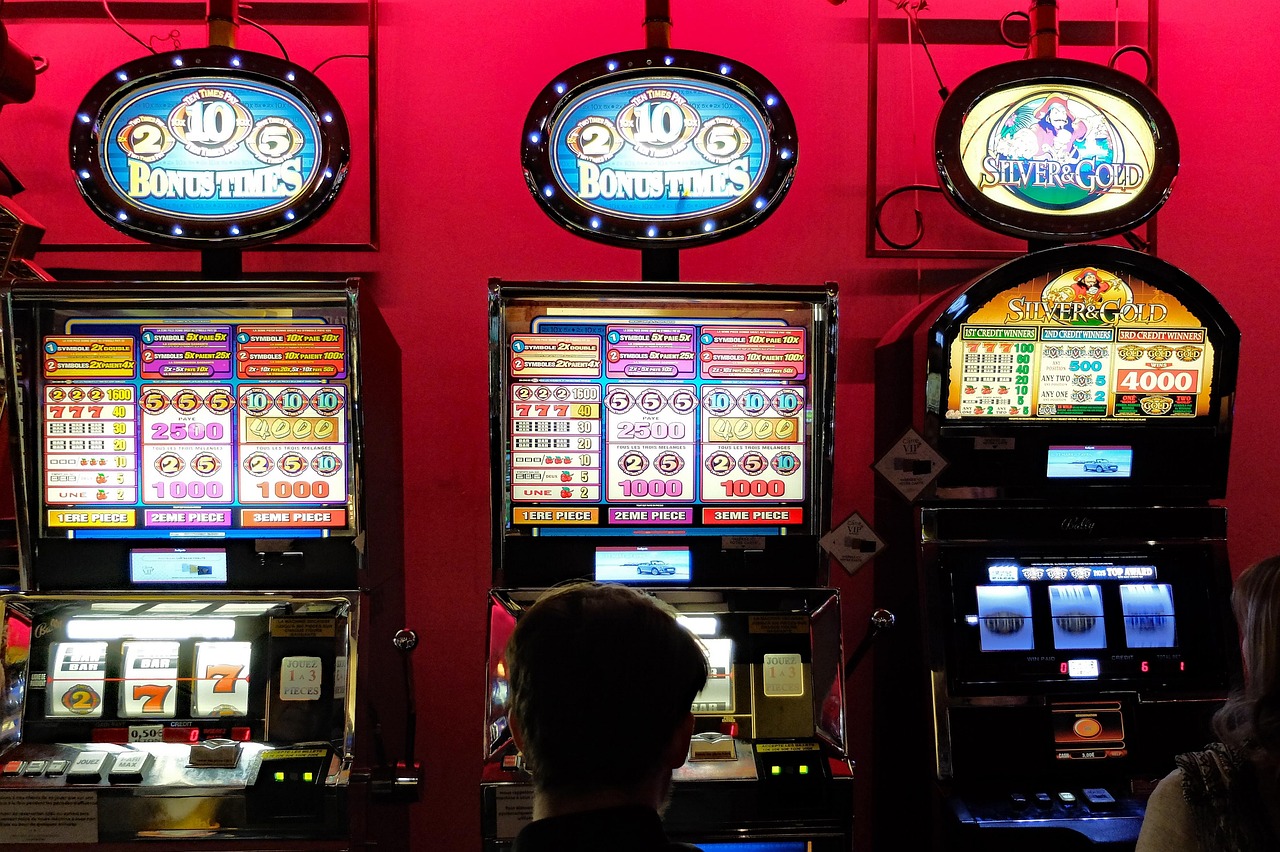
Ask ten slot players what they want from a machine and nine will say the same thing: the biggest possible jackpot. It sounds logical. Who wouldn't want a shot at a million dollars instead of a hundred? But here's the uncomfortable truth that experienced players learn the hard way — chasing the largest jackpot often means watching your balance drain while you wait for a payout that statistically might never arrive during your session. Volatility is the variable almost nobody talks about at the bar, yet it shapes your bankroll more than any themed bonus round ever will.
Understanding how volatility works separates players who gamble with a plan from those who feed the machine and hope. Let's dig into what it actually means, how to spot it before you spin, and why a low-volatility game might be the smarter choice for your next session.
What Volatility Actually Measures
Volatility, sometimes called variance, describes how often a slot pays out and how large those payouts tend to be. It has nothing to do with the house edge or the return-to-player percentage — those are separate numbers. A high-volatility slot and a low-volatility slot can both have a 96% RTP, yet they deliver that return in completely different ways.
High-volatility slots pay rarely, but when they do, the amounts can be enormous. Low-volatility slots pay frequently, but the wins are modest. Medium-volatility sits somewhere between. Think of it like a faucet: low volatility is a slow drip that keeps the glass filling. High volatility is a tap that stays dry for ages, then suddenly blasts water everywhere.
Here's a concrete example. Two slots, both 96% RTP. Slot A has a hit frequency of 45% — nearly half your spins return something. Slot B has a hit frequency of 18%. Over 1,000 spins at $1 each, Slot A might return your $960 in hundreds of small wins. Slot B might return almost nothing for 800 spins, then deliver a single $700 payout and a handful of medium wins. Same theoretical return, wildly different experience. Those comparing choices often turn to slot dana.
The Psychological Trap of Chasing Jackpots
Slot designers know exactly what draws players in. Progressive jackpots, mega multipliers, and "win up to 50,000x your stake" banners are plastered across every lobby because they trigger something primal. The possibility of a life-changing sum feels worth the risk.
But that possibility comes with a cost. Games advertising huge maximum wins almost always sit at the high-volatility end of the spectrum. Your session bankroll needs to survive long dry spells that can stretch into hundreds of spins. If you sit down with $50 and a $1 spin, a high-volatility game can wipe you out before the bonus feature ever lands.
The uncomfortable math: if a slot's max win is 50,000x your stake, that payout might occur once in every 10 million spins. You are essentially buying a lottery ticket with extra steps. That's fine if you're playing for entertainment and accept the odds, but it's a disaster if you're playing to fund your weekend.
A Quick Reality Check
- Low volatility: hit frequency often 40–50%, max win typically 100–500x stake
- Medium volatility: hit frequency around 25–35%, max win 1,000–5,000x stake
- High volatility: hit frequency under 25%, max win 10,000x stake and beyond
None of these are inherently better. They're just different tools for different goals.
Matching Volatility to Your Bankroll
This is where most players go wrong. They pick a game based on theme or graphics, deposit whatever they planned to spend, and start spinning. Volatility should be the first filter, not an afterthought.
Ask yourself two questions before you load a slot:
- How much am I willing to lose in this session without it ruining my day?
- How many spins do I want that bankroll to last?
If your answers are "$100" and "at least an hour of play," a high-volatility game spinning at $2 a pop is a poor match. You're looking at 50 spins before you're broke if variance runs cold. A low-volatility slot at $0.50 per spin stretches that same $100 across 200 spins and gives you a genuine chance of staying afloat.
Conversely, if you've got $500 set aside specifically for a shot at a big score and you don't mind losing it, high volatility is the right lane. You're paying for the chance at an outlier payout, and you accept that most sessions will end in a loss.
Professional players and streamers gravitate toward high volatility because their bankrolls are built to absorb the swings. Recreational players with a $50 Friday night budget are usually better served by lower variance.
How to Identify a Slot's Volatility Before You Play
Casinos don't always make this obvious, but there are reliable signals.
- Check the game info screen. Most modern slots list volatility directly alongside RTP.
- Look at the max win. If it's advertised in the thousands of times your stake, expect high volatility.
- Read the paytable. Few paying symbols and rare bonus triggers suggest high variance.
- Watch the betting range. Games designed for high rollers with max bets of $100+ often lean volatile.
- Search reviews. Player forums and slot review sites usually state volatility within the first paragraph.
If you can't find the information, assume medium-to-high volatility and budget accordingly.
Volatility Beyond Slots
The concept isn't unique to slots. Poker offers a parallel lesson. A cash game player grinding small pots with a tight strategy is playing a low-variance game — steady, predictable, low drama. A tournament player buying into a 1,000-player field for a shot at a massive score is embracing extreme variance. Most will bust before the money; a few will win life-changing sums.
Sports betting has its own version. Backing heavy favorites at short odds is low volatility. Betting longshots at 20/1 is high volatility. Neither is wrong, but your staking plan has to match your risk tolerance or you'll blow up your bankroll during a normal losing streak.
The common thread across every iGaming vertical is this: variance is unavoidable, but it's manageable when you understand it. Players who ignore it are gambling. Players who account for it are managing risk.
Final Thoughts
The next time you open a lobby, resist the pull of the biggest jackpot on the page. That flashing "win up to 100,000x" banner is marketing, not a promise. Check the volatility first. Match it to what you can afford to lose and how long you want to play. A medium-volatility slot with a sensible spin size will almost always deliver a better session than a high-volatility monster that eats your deposit in ten minutes. Big wins are exciting, but they're not a strategy. Patience, bankroll discipline, and knowing your variance profile are what keep you in the game long enough for luck to actually show up.







Turn a plain glass lantern into a glowing keepsake with pressed flowers, decoupage medium, and a little patience.
A thrifted tea cart is the most versatile piece in my home, and here is how I dress it up from spring through winter.
These little lace-trimmed sachets take an afternoon to make and keep drawers smelling like a French countryside cottage.
You do not need a whole room to build a cozy reading retreat, just a corner, a chair, and a few romantic touches.
Rolled beeswax candles are the simplest candle project there is, and they fill your home with a warm honey glow.